Develop distinctive knowledge
Develop distinctive knowledge through sustained curiosity and practical experience, then find work where that knowledge creates unusual value.
 Perimeter Desk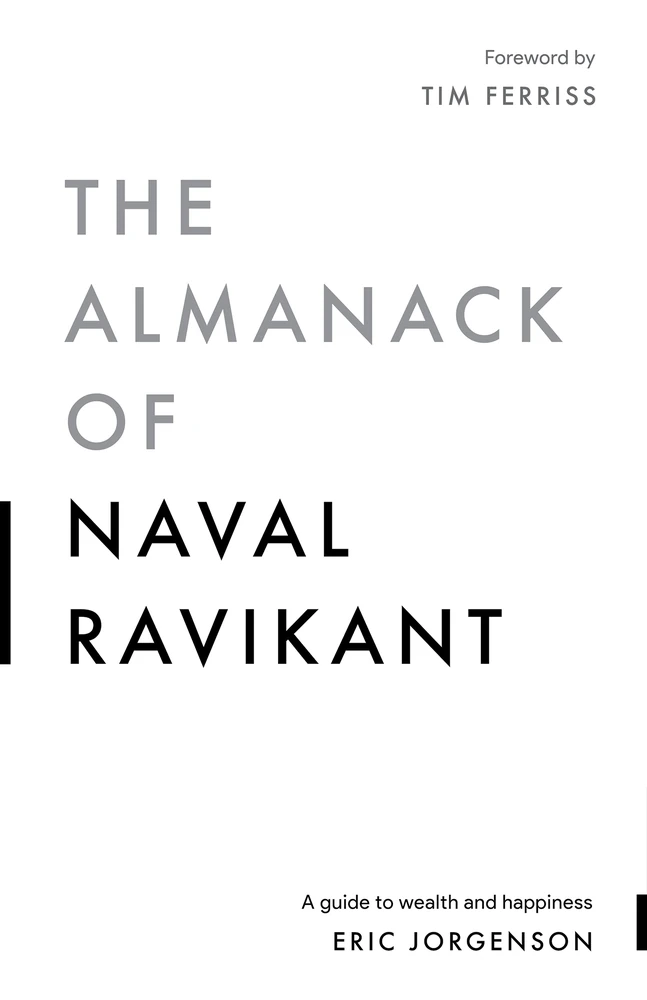
Perimeter Books / Decision-making
Eric Jorgenson · collected ideas of Naval Ravikant
A collection of Ravikant’s perspectives on wealth, judgment, and happiness.
2020 · 242 pages · Paperback
Purchase on the bookseller’s site. Availability and cover editions may vary.
Make it part of your reading
4–7 hoursEstimated reading time, at 40–60 pages an hour
Scribe Media2020 · selected edition
Explore Eric Jorgenson ↗Books, writing & collected mentions
Bookseller searches help you choose an edition or format. Availability and prices vary. These links are not affiliate links.
Inside the book
Eric Jorgenson organizes Naval Ravikant’s public conversations, essays, and short observations into a book about wealth, judgment, and happiness. Its structure lets readers move between practical questions about work and ownership and more reflective questions about desire, attention, and a satisfying life. The material’s conversational origins remain visible: short statements lead into longer explanations, inviting readers to revisit an idea from several angles. Jorgenson acts as curator and editor, while Ravikant supplies the underlying perspective. Read it as a collection of propositions to examine against your own experience, with particular attention to how professional ambition and personal freedom can support or frustrate each other.
Independent workers, founders, and reflective readers considering how to connect earning, learning, autonomy, and a satisfying life.
Ideas to examine
Develop distinctive knowledge through sustained curiosity and practical experience, then find work where that knowledge creates unusual value.
Ownership and tools that scale your effort can loosen the connection between income and hours worked.
Long relationships allow trust, reputation, and learning to compound when the people involved remain dependable.
Treat happiness as something to practice through attention and habits, rather than a reward automatically delivered by success.
Your research notebook
Save this title to add your own notes and reading progress.
The ideas, in conversation
Conversations are produced by the linked publishers and may cover the author’s broader work.
Go back to the evidence
Examine how ideas about ownership, judgment, and technology play out in specific businesses and individual choices.
Ben Thompson analyzes the business models and competitive strategies of technology and media companies, explaining how their choices reshape markets and society.

Newsletter
Optimistic essays on ambitious startups, technology, and business strategy, combining company stories with explorations of the scientific and industrial changes they pursue.
A different way into the subject

Interviews with investors, founders, and experts · Colossus
Conversations with investors, founders, and specialists about their methods.

Biography-based business-history episodes · Colossus
Lessons from biographies of entrepreneurs and company builders.
Keep your reading connected
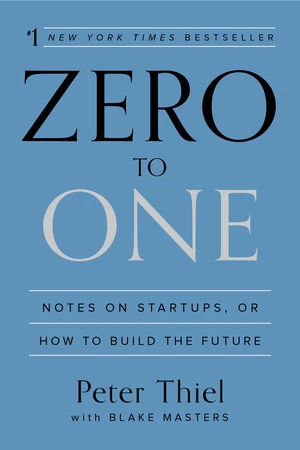
2014 · 224 pages · Hardcover
An argument for building distinctive companies and thinking independently about the future.
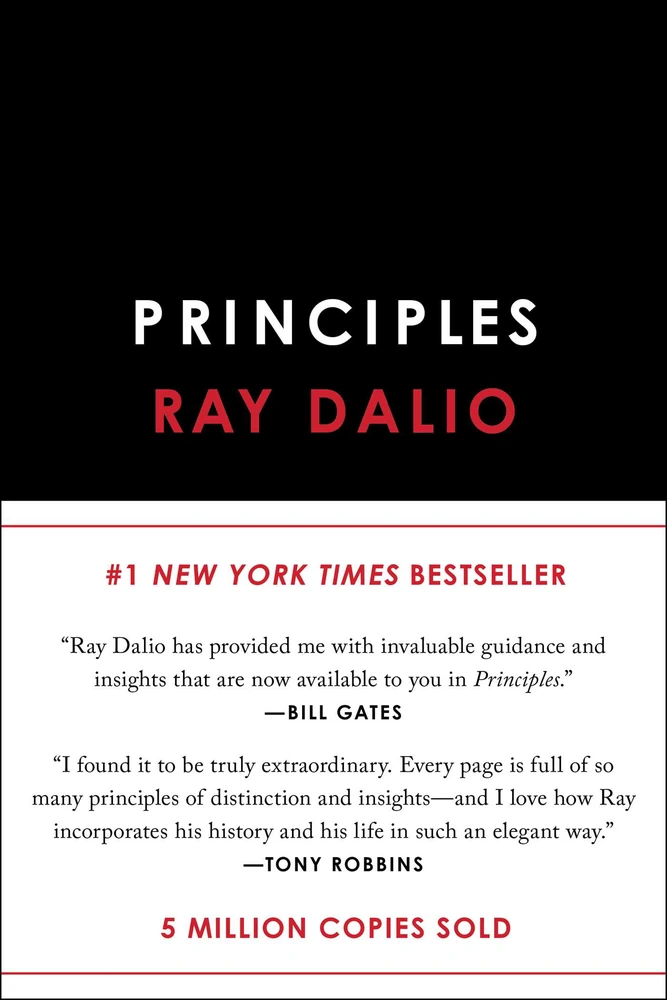
2017 · 592 pages · Hardcover
Dalio’s account of the principles that shaped his life and his work at Bridgewater.

2020 · 256 pages · Paperback
Essays about how behavior, experience, and uncertainty shape financial decisions.