Understand the personal history
Personal experience shapes financial instincts, so another person’s choices may reflect a different history rather than simple ignorance.
 Perimeter Desk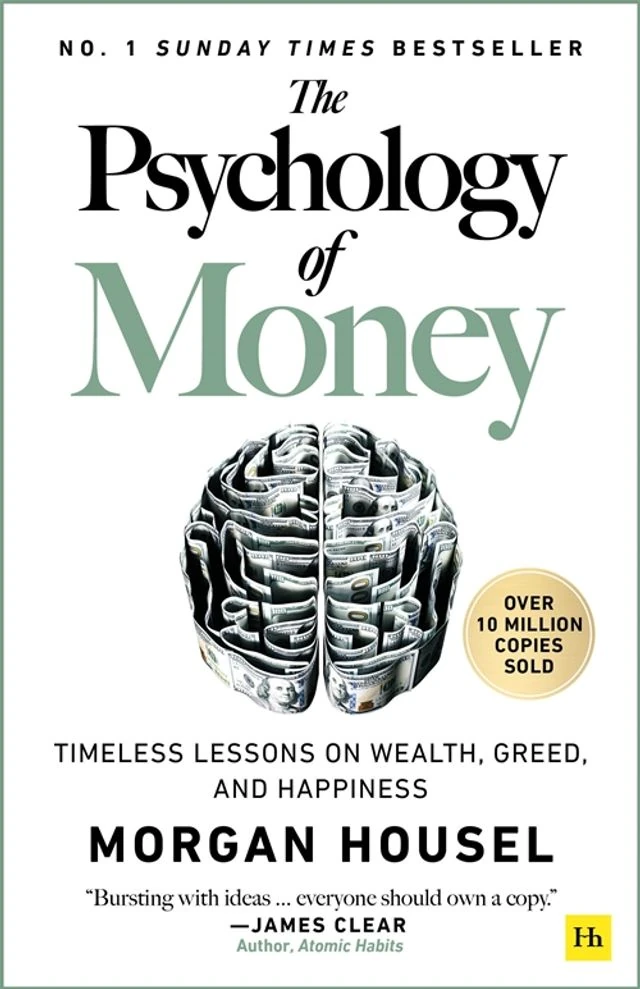
Perimeter Books / Behavior
Morgan Housel
Essays about how behavior, experience, and uncertainty shape financial decisions.
2020 · 256 pages · Paperback
Purchase on the bookseller’s site. Availability and cover editions may vary.
Make it part of your reading
4–7 hoursEstimated reading time, at 40–60 pages an hour
Harriman House2020 · selected edition
Explore Morgan Housel ↗Books, writing & collected mentions
Bookseller searches help you choose an edition or format. Availability and prices vary. These links are not affiliate links.
Inside the book
Morgan Housel explores why knowing the mathematics of money does not automatically produce good financial decisions. Across nineteen short stories, he examines the influence of experience, pride, uncertainty, and comparison on the choices people make. His focus is the behavior that allows a workable plan to survive real life: patience, flexibility, an understanding of personal limits, and room for events nobody predicted. The book also asks what wealth is for, placing independence and control over time alongside accumulation. It offers a vocabulary for discussing money’s emotional side, making it especially useful when two people understand the same numbers but reach different conclusions.
Anyone seeking a clearer language for saving, spending, risk, and the emotions that complicate financial choices.
Ideas to examine
Personal experience shapes financial instincts, so another person’s choices may reflect a different history rather than simple ignorance.
Compounding needs time, which makes a sustainable approach more valuable than repeatedly chasing exceptional short-term results.
Visible consumption and accumulated wealth are different things; money kept unspent can preserve future choices.
Leave room for error because plans must survive surprises as well as the risks their designers can already imagine.
Your research notebook
Save this title to add your own notes and reading progress.
The ideas, in conversation
Conversations are produced by the linked publishers and may cover the author’s broader work.
Go back to the evidence
Explore how evidence about saving, uncertainty, and investor behavior compares with your own financial habits.
Data informed essays about building wealth, understanding market risk and making financial decisions, with charts that connect investing research to everyday choices.

Publication
Essays from Collaborative Fund on investing, human behavior, and business.
Podcast
A podcast about sensible investing, research, and financial decisions.
A different way into the subject
Weekly host discussions, research explanations, guest interviews and listener Q&A. · Rational Reminder
Conversations about evidence, investing, and financial decisions.

Markets and personal-finance discussion · The Compound
An informal discussion of markets, money, and investor behavior.
Keep your reading connected
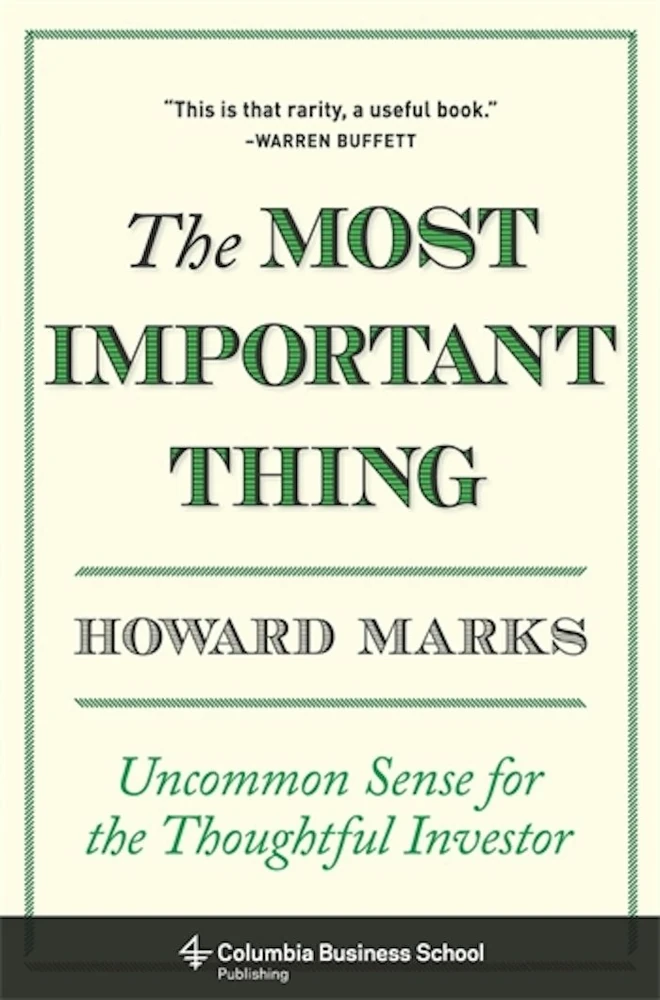
2011 · 200 pages · Hardcover
A collection of Marks’s ideas about risk, value, cycles, and investment judgment.

2023 · Abridged hardcover
A collection of Munger’s talks and ideas on judgment, business, and investing.
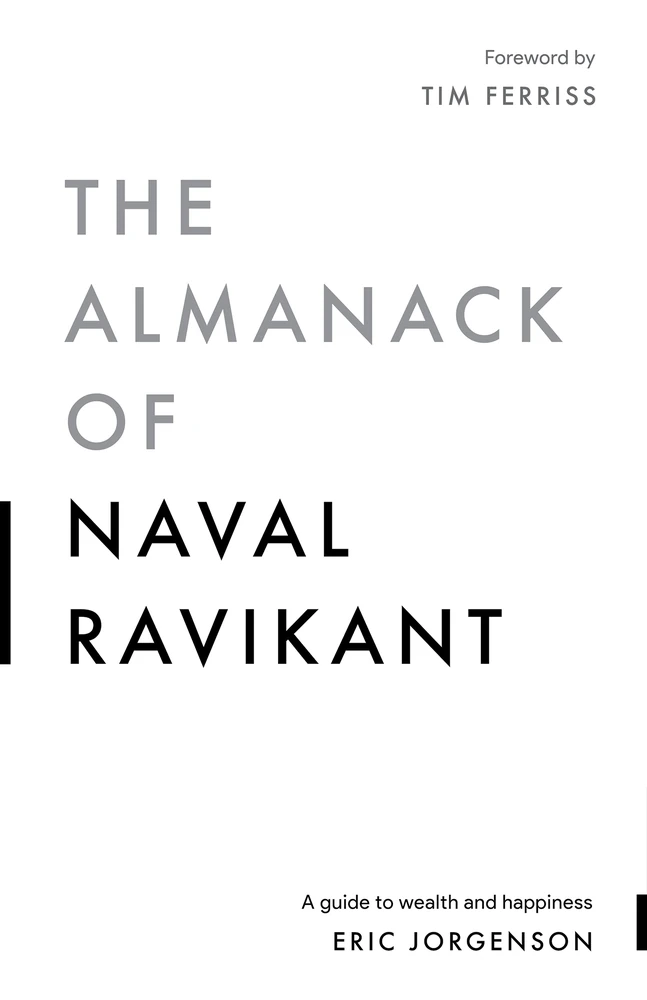
2020 · 242 pages · Paperback
A collection of Ravikant’s perspectives on wealth, judgment, and happiness.