Connect the forces
National power shifts through interacting economic, social, and geopolitical forces, so changes in one domain can accelerate the others.
 Perimeter Desk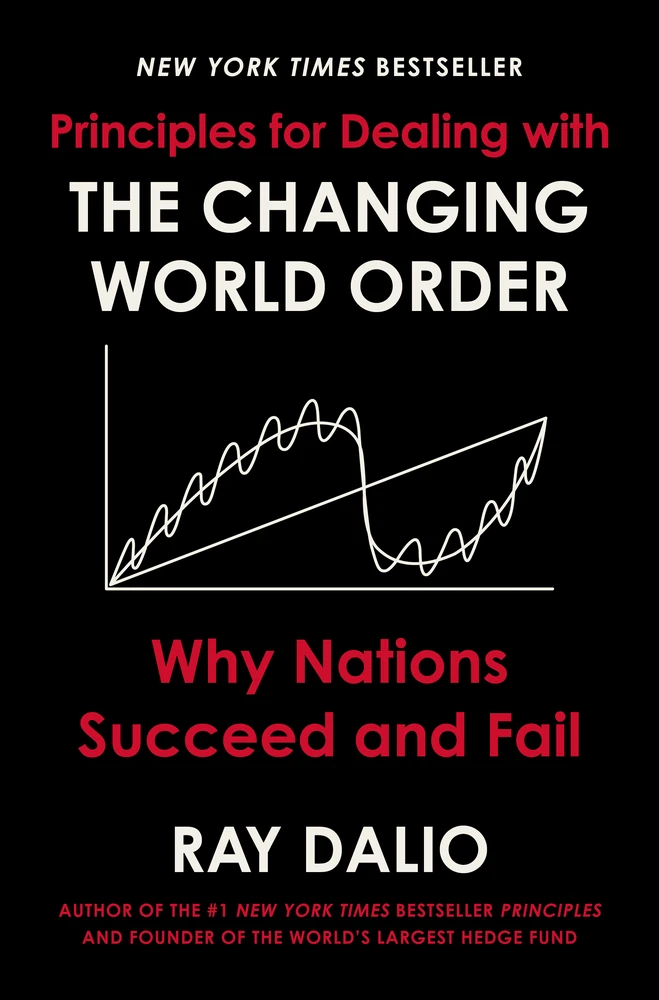
Perimeter Books / Economy
Ray Dalio
A framework for thinking about economic cycles, debt, and changes in world power.
2021 · 576 pages · Hardcover
Purchase on the bookseller’s site. Availability and cover editions may vary.
Make it part of your reading
10–15 hoursEstimated reading time, at 40–60 pages an hour
Avid Reader Press / Simon & Schuster2021 · selected edition
Explore Ray Dalio ↗Books, writing & collected mentions
Bookseller searches help you choose an edition or format. Availability and prices vary. These links are not affiliate links.
Inside the book
Dalio approaches geopolitical change as a problem in historical pattern recognition. Comparing the Dutch, British, and American empires, he examines how debt, money, domestic conflict, and competition between powers interact over long periods. The book grew out of his concern that the world was entering conditions unfamiliar to most living investors but recognizable in earlier centuries. Charts and historical narratives support his model of recurring rises and declines in national strength. Read it as a framework for asking better questions about economic regimes, reserve currencies, and political stability, while keeping the distinction between a historical analogy and a forecast firmly in view.
Readers interested in economic history, geopolitical change, and the assumptions behind long-term investment decisions.
Ideas to examine
National power shifts through interacting economic, social, and geopolitical forces, so changes in one domain can accelerate the others.
Debt and monetary conditions belong in the same analysis as domestic division and challenges from rising powers.
Looking beyond a single lifetime can reveal precedents for events that otherwise seem unprecedented.
Your research notebook
Save this title to add your own notes and reading progress.
The ideas, in conversation
Conversations are produced by the linked publishers and may cover the author’s broader work.
Go back to the evidence
Use primary economic data to challenge a historical framework. Similar patterns do not establish a reliable forecast.
Economic charts and explanations from the Federal Reserve Bank of St. Louis.
Official releases, speeches, and research feeds from the Federal Reserve Board.
Weekly stories explaining how financial businesses work, connecting banks, investors and fintech companies with the incentives and history behind their decisions and business models.
A different way into the subject

Interviews and market conversations · Bloomberg
Conversations about markets and the economy.
Markets commentary and discussion · Financial Times
The Financial Times examines market arguments, valuations and macroeconomic forces, helping readers test the assumptions behind prevailing investment narratives and the day’s price moves.
Keep your reading connected
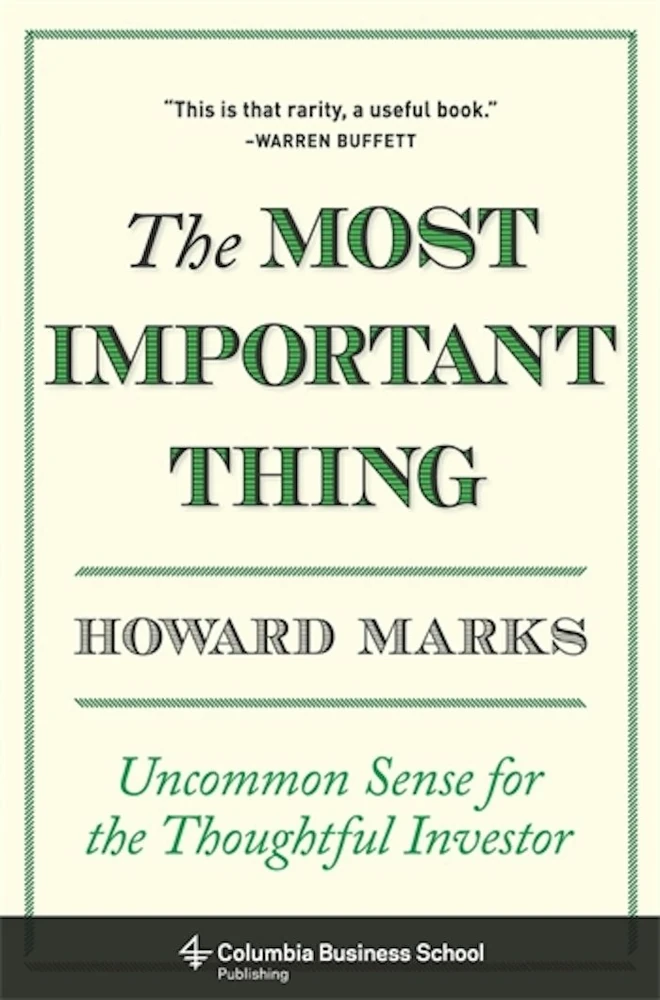
2011 · 200 pages · Hardcover
A collection of Marks’s ideas about risk, value, cycles, and investment judgment.
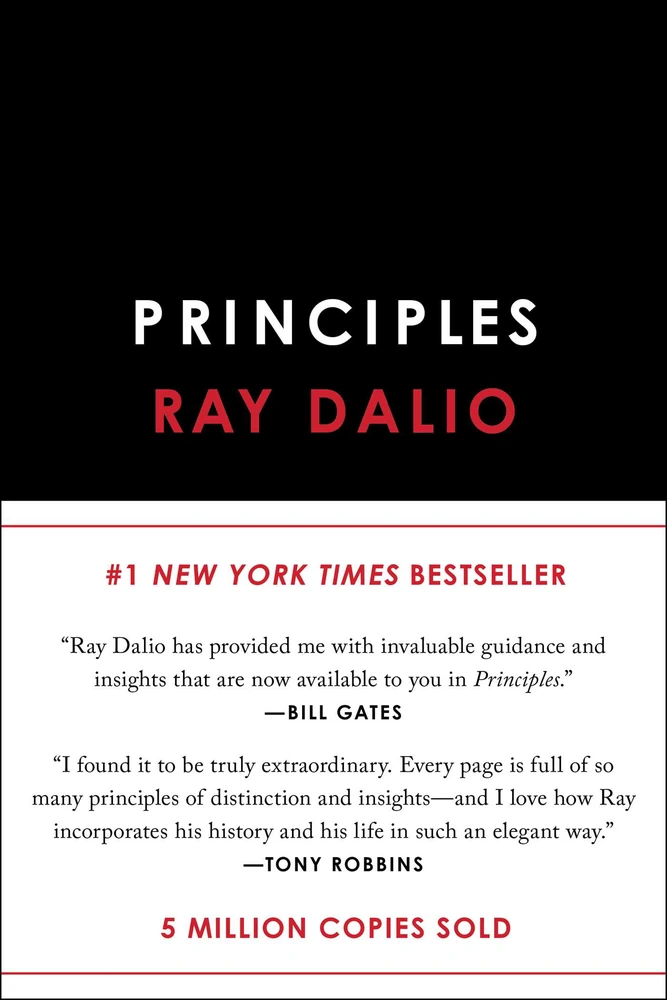
2017 · 592 pages · Hardcover
Dalio’s account of the principles that shaped his life and his work at Bridgewater.
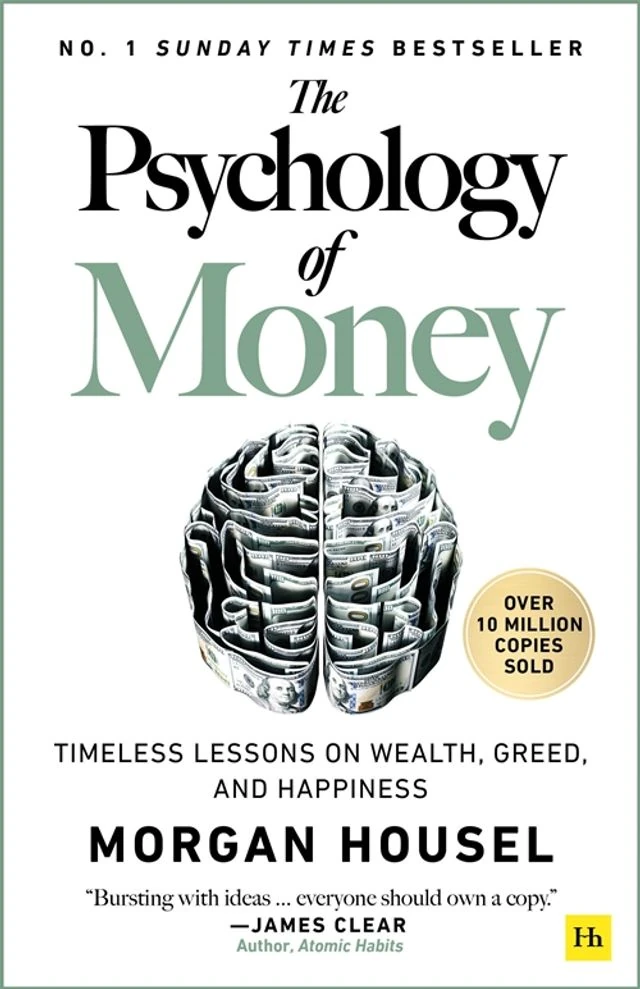
2020 · 256 pages · Paperback
Essays about how behavior, experience, and uncertainty shape financial decisions.